How to Teach Kids to Care for and Repair Everyday Items at Home
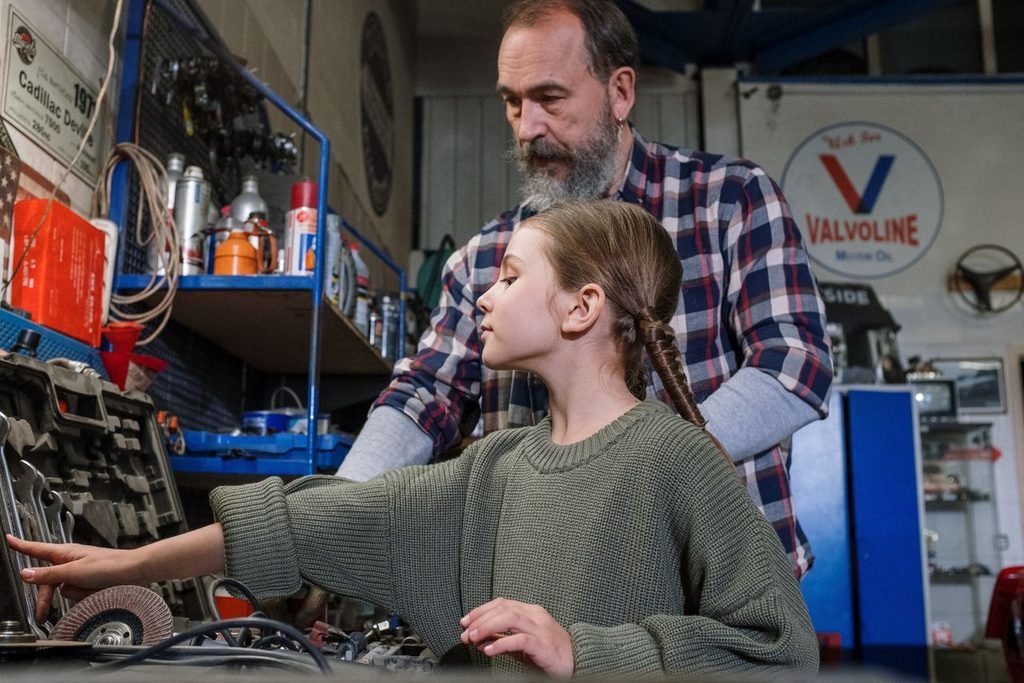
Image via Pexels
Busy parents teaching children at home often face a constant tug-of-war between what’s easiest and what feels right: replacing a worn or broken item takes seconds, while care and repair ask for attention. When “just buy a new one” becomes the default, kids quietly absorb the message that household item care doesn’t matter and that problems are disposable. Shifting toward repair and maintenance values can reduce consumer waste while giving children steady practice in responsibility development. Small, everyday breaks can become moments that shape how kids treat their things, and their world.
Understanding Repair Education Benefits
Repair education means teaching kids to notice wear, try simple fixes, and care for what they already own. Those small hands-on habits build patience, because progress is rarely instant and children learn best when skills grow through practice, not lectures.
It matters because maintenance skills turn frustration into problem-solving. Instead of feeling stuck, kids learn to pause, assess, and try another approach, even when they naturally seek out instant gratification. Over time, they also start to see how choosing repair reduces waste in a convenience-first world.
Picture a loose backpack strap the night before school. A quick stitch, a tightened buckle, and five patient minutes show your child that effort can restore function. That lesson sticks longer than a replacement ever will. A simple home routine makes these moments easy to repeat.
Turn HVAC Upkeep Into a 10-Minute Family Care Lesson
Once kids understand that maintenance builds confidence and saves resources, a quick HVAC check becomes an easy place to practice it. Invite your child to help with simple tasks like swapping an air filter, gently vacuuming or wiping vent covers, or helping you schedule seasonal maintenance, small actions that protect a hard-working system and can prevent bigger, more expensive problems. Talk through the “why” as you go: cleaner airflow helps the system run more efficiently, and regular upkeep can reduce wear that leads to premature replacements.
And if something does need a small swap, make part-buying part of the lesson, too: emphasize ordering from reputable suppliers so you’re getting quality, durability, and the right fit for your specific unit, rather than guessing and risking incompatibility. When you’re looking for discount HVAC parts, use the moment to show your child how careful choices keep home systems running longer.
Weekly Routines for Raising Little Fixers
When kids see upkeep as part of everyday life, repairs stop feeling scary and start feeling doable. These simple routines build steady skills over time, so children learn to notice wear, ask good questions, and practice safe follow-through.
Two-Minute Reset Walk
- What it is: Do a quick room scan and name one item to tidy or fix.
- How often: Daily
- Why it helps: It trains kids to spot small problems before they become big ones.
Care-and-Repair Basket
- What it is: Keep tape, rags, a screwdriver, and spare batteries in one labeled bin.
- How often: Weekly check
- Why it helps: It reduces friction so kids can help without hunting for tools.
One Stitch, One Dab, One Tighten
- What it is: Practice one tiny repair, sew a button, glue a wobble, tighten a handle.
- How often: Weekly
- Why it helps: Small wins build confidence and patience.
Chore-to-Skill Swap
- What it is: Rotate self-care chores with one maintenance task like wiping switches or sorting screws.
- How often: Per chore cycle
- Why it helps: It links independence with responsibility for shared spaces.
Fix-It Story Time
- What it is: After any repair, ask what broke, why, and what you will do next.
- How often: After each fix
- Why it helps: Reflection turns trial and error into a reusable plan.
Care-and-Repair Questions Parents Ask Most
Q: How do I keep repairs safe for kids without hovering the whole time?
A: Start with low risk tasks like wiping, sorting parts, hand tightening, or using painter’s tape. Set clear tool rules: carry scissors point down, unplug appliances, and wear eye protection for anything that can snap or splinter. For step-by-step safety basics, check guidance from the American Academy of Pediatrics at https://www.healthychildren.org.
Q: When is my kid old enough to use real tools?
A: Many kids can start learning tool respect in preschool with plastic practice tools and simple twisting motions. Around ages 6 to 8, introduce a small screwdriver and measuring tape with close supervision. Save blades, hot glue, and power tools for older kids who can follow multi-step directions.
Q: What if my child makes a bigger mess than the problem?
A: Contain the chaos with a tray, old towel, and a small “parts cup” so nothing rolls away. Choose washable materials first, like water-based glue and soap-and-water cleanup. End with a two minute clean sweep so the space resets quickly.
Q: How can we do this when we’re already short on time?
A: Think “micro-fixes” that take five minutes or less, like tightening a knob or replacing batteries. Attach one tiny upkeep task to something you already do, such as bedtime or packing lunches. A short routine done often beats a long project that never happens.
Q: What if I teach them the wrong way and they learn bad habits?
A: Model how to pause, read the label, and ask, “What’s the safest next step?” Use trustworthy how-to sources like Consumer Reports at https://www.consumerreports.org and your item’s manual to confirm steps. If you make a mistake, name it calmly and show how to correct it, that is a valuable lesson too.
Building Kids’ Confidence Through Everyday Care and Repair
It’s easy to want kids to value their things, yet worry that repairs will be messy, unsafe, or not worth the time. A calm, capability-first approach, focusing on care values, simple routines, and shared responsibility, keeps the focus on learning, not perfection. Over time, this kind of repair education builds sustainable family habits, strengthens positive parenting outcomes, and empowers children through maintenance that feels doable and proud-making. Teach care, and repair becomes a lifelong skill, not a last-minute crisis.
Cheryl Conklin created Wellness Central from her desire to share various resources and her thoughts on wellness. Apart from blogging, she enjoys traveling and going on endless adventures, and writing about her experiences at the end of the day.
Author Profile

- Lisa has been blogging since 2013, and loves sharing resources and ideas for living a simple life. To get free printables, bonus words, and more - sign up for the newsletter.
Latest entries
 HomeSeptember 15, 2026How to Teach Kids to Care for and Repair Everyday Items at Home
 GiveawaysSeptember 14, 2026Winner’s Choice 6-in-1 Smartwatch Set from AltaMoro Giveaway
 GiveawaysSeptember 14, 2026New 2026 Games & Puzzles Giveaway
 GiveawaysSeptember 1, 20262026 Glitz and Glam Giveaway Hop & $10 Cash Giveaway
Want to get all the Bonus Words? Subscribe to our newsletter!

Lisa Ehrman
Lisa has been blogging since 2013, and loves sharing resources and ideas for living a simple life. To get free printables, bonus words, and more - sign up for the newsletter.

You May Also Like

7 Reasons To Love Downsizing

How To Update Your Spring Cleaning Plan
